How Do You Organize a Meaningful Graveside Service
Plan a meaningful graveside service with thoughtful readings, personal touches, practical guidance, and caring support for family and friends.

Planning a graveside service can feel simple at first, yet the setting asks families to make several important choices in a short time. When families turn to Zionsville, IN funeral homes, we can help them shape a ceremony that feels personal, orderly, and respectful without making the gathering overly formal. A thoughtful graveside service usually centers on a few essentials: who will lead the ceremony, which words will be shared, what traditions matter, and how family members and friends can participate in ways that reflect the life being remembered.
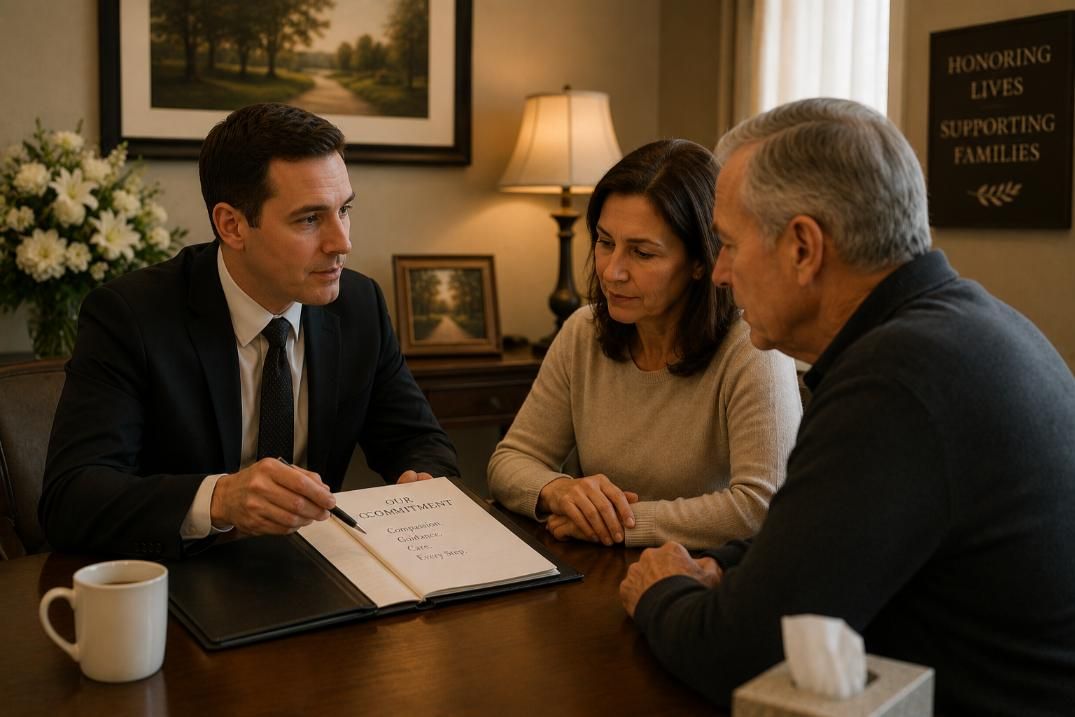
A clear plan can make the day feel calmer for everyone involved. We begin by listening to the family's wishes, learning about the person who died, and identifying customs or beliefs that should guide the gathering. In the middle of that planning process, Aaron-Ruben-Nelson Mortuary helps families coordinate details so the ceremony feels sincere rather than rushed. We believe the most memorable farewells often come from simple choices that carry personal meaning, from a favorite reading to a quiet moment shared together.
What Should a Graveside Service Include?
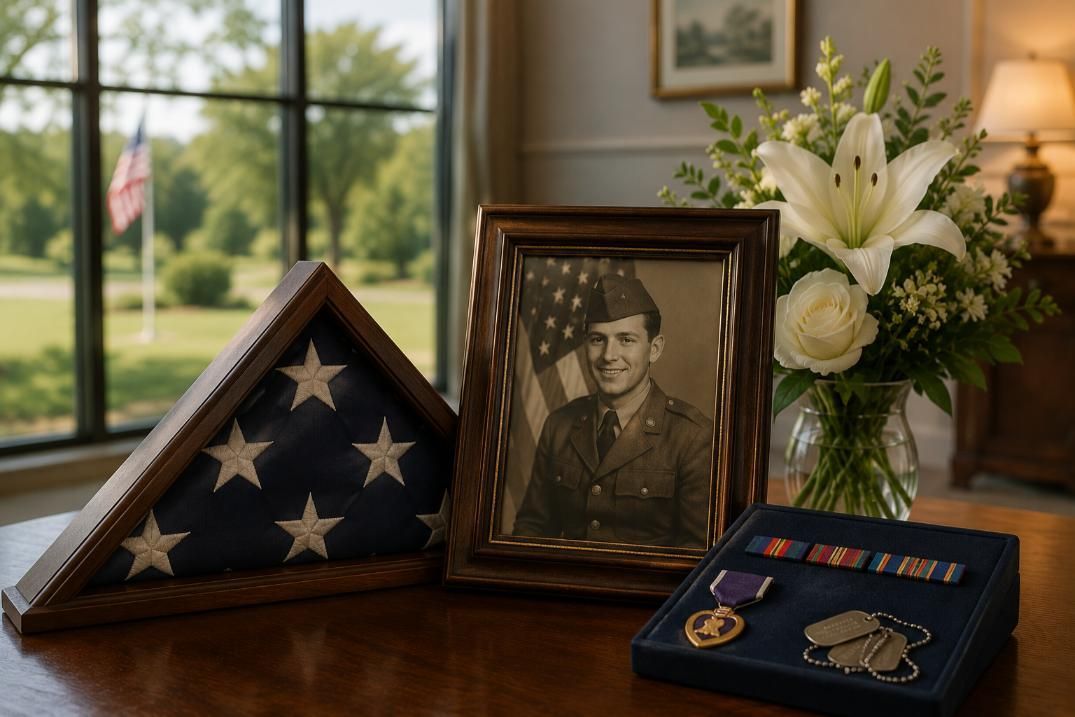
There is no single format that every family must follow. A graveside ceremony can be brief and intimate or include several elements that reflect faith, family traditions, military service, or personal values.
Choose a Clear Order
A simple sequence helps guests understand what to expect. Families may choose to include:
- Opening words from a clergy member, celebrant, or relative
- A favorite prayer, poem, scripture passage, or reflection
- Personal memories shared by family members or friends
- Music that held significance for the person being honored
- A final blessing, farewell, or symbolic gesture
Families considering a ceremony before the burial can also use guidance for planning traditional funeral services to coordinate the different parts of the farewell.
How Can Personal Details Shape the Ceremony?
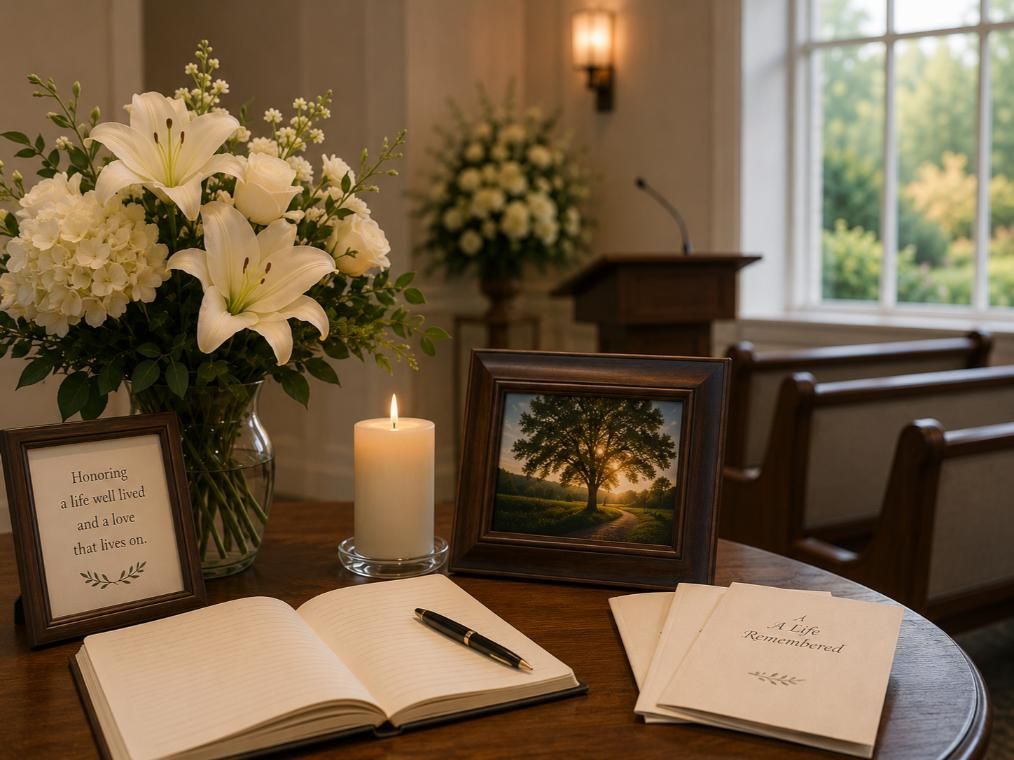
Personalization does not require an elaborate program. Small details often say the most. We may suggest choosing readings that reflect a loved one's values, inviting someone close to share a short memory, or incorporating flowers with personal significance.
The setting itself can support a quieter kind of remembrance. Families often appreciate ways graveside ceremonies can provide comfort and closure because gathering at a final resting place creates a shared moment to acknowledge loss while honoring the relationship that continues through memory.
Who Should Take Part in the Service?
Participation can make a graveside gathering feel more personal, but no one should feel pressured to speak. We encourage families to consider each person's comfort level before assigning a role.
Give People Simple Ways to Participate
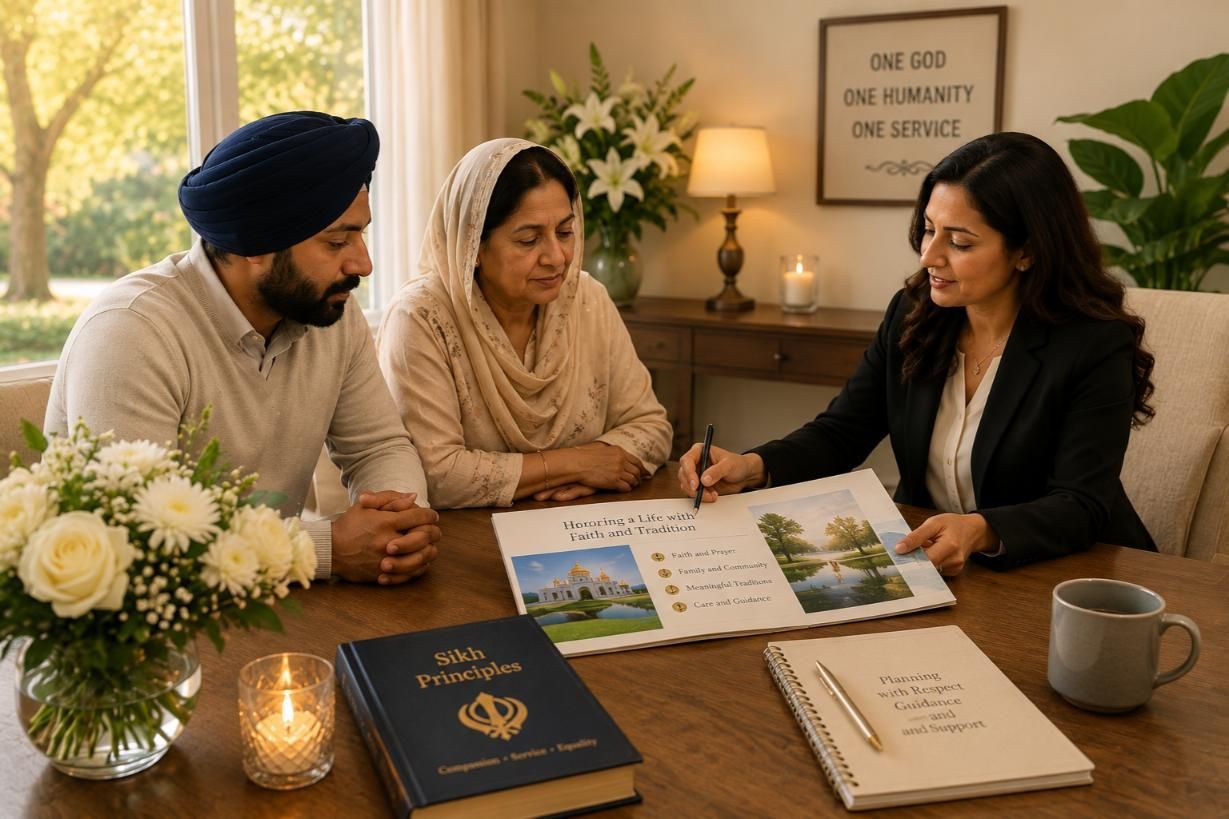
A relative may offer a reading, a friend may share a brief story, or several family members may place flowers together. Children can participate when the family feels it is appropriate and they understand what will happen. When faith traditions are important, clergy or spiritual leaders can help guide prayers, rituals, and the overall order of the ceremony.
How Do You Organize a Graveside Service?
A short planning process can help families manage the most important details:
- Decide who will lead the service and how many people will attend.
- Choose readings, prayers, music, memories, or rituals that reflect the person who died.
- Confirm the burial location, service time, seating, accessibility, parking, and weather plans.
- Assign optional roles, such as reading, speaking, placing flowers, or offering a final blessing.
- Review the order with the funeral director, cemetery, clergy member, and participating family members.
This approach keeps the ceremony organized while leaving room for genuine emotion and personal expression.
What Practical Details Should Be Planned?
Comfort and timing matter because graveside services take place outdoors. We recommend discussing seating needs, accessibility, expected weather, parking, and the length of the ceremony with the funeral director and cemetery.
Families may also want to consider whether older guests need chairs, whether printed programs would be useful, and how everyone will know where to gather. Clear communication before the service helps relatives arrive prepared and allows the ceremony itself to remain focused on remembrance rather than logistics.
How Can the Service Support Grieving Families?
A graveside service gives people permission to pause. It creates a defined moment when family and friends can gather, speak a loved one's name, share memories, and acknowledge the significance of the loss. We do not expect one ceremony to resolve grief. Instead, we view it as one part of a longer process of remembering, supporting one another, and adjusting to life after a death.
Frequently Asked Questions
How long does a graveside service usually last?
Many graveside services last about 20 to 30 minutes, although the length depends on the family's wishes, religious traditions, number of speakers, music, and burial customs. A funeral director can help create an order that feels complete without becoming tiring for guests.
Who can lead a graveside service?
A clergy member, celebrant, funeral director, family member, or close friend may lead the ceremony. The right choice depends on the family's beliefs, traditions, and comfort level. Some families also choose to share leadership among several people.
What should guests bring to a graveside service?
Guests may bring flowers, a written memory, or another small item the family has approved. Because the service takes place outdoors, comfortable clothing, weather-appropriate layers, and suitable shoes are helpful. Families should follow any cemetery guidelines regarding decorations or personal items.
Can children participate in a graveside service?
Children can participate when the family believes they are ready and understands what will happen. Simple roles, such as placing a flower, holding a program, or sharing a short memory, may help children feel included without creating pressure.
Organizing a graveside farewell becomes easier when families focus on sincerity rather than perfection. For those comparing Zionsville, IN funeral homes, Aaron-Ruben-Nelson Mortuary can help coordinate a service shaped by family wishes, traditions, and the life being honored. Families can also turn to our grief support resources for families after loss as they continue navigating the days that follow. When questions arise about readings, participation, timing, cemetery coordination, or other service details, call (317) 873-4776 for caring guidance. We will help bring the pieces together with respect, clarity, and careful attention to what matters most to your family.